
Creating a new laboratory macular model
Professor Rachael Pearson, KCL Centre for Gene Therapy & Regenerative Medicine - £24,912
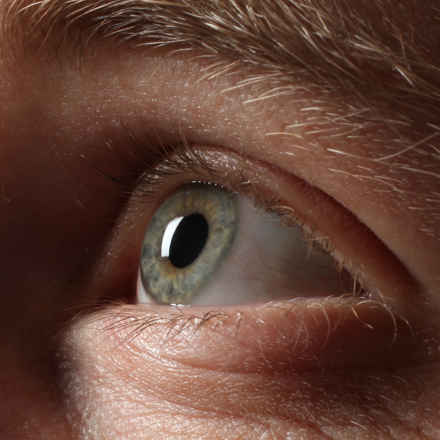
The macula, located in the retina at the back of the eye, is responsible for central vision, colour perception, and fine detail. Despite its crucial role, we still know very little about the genes that need to be switched on to form it during early pregnancy. The project aimed to identify which genes are switched on in macular development and how disruptions to these processes can affect vision.
What is the problem?
Gene expression is the process by which information from a gene is used to make proteins. Understanding which genes are active during early macular development is essential for revealing how the macula forms and what can go wrong.
Currently, researchers lack details on which genes and signalling pathways are involved in the earliest stages of macular formation. This limits our ability to understand the causes of macular conditions and to design effective strategies for treatment or prevention.
What did the project achieve?
The team used spatial transcriptomics, a cutting-edge molecular biology technique, to map gene activity of individual cells within their tissue context. This approach allowed them to identify genes that are switched on within the macula during its early formation.
To validate these findings, the researchers applied RNA-scope, a precise technique that provides more in-depth information about which cell types express each gene and at what stage. By expanding the investigation across a broader developmental period, the team identified five key genes and associated signalling pathways involved in macular formation.
What’s next?
This work has significantly expanded our understanding of human macular development and provided evidence for further study. Professor Pearson and her team aim to continue exploring these pathways, manipulating them in laboratory models to improve cellular models of the macula and potentially inform future treatments for macular disease.
See our other projects


Since 1987 the Macular Society has invested around £10 million in over 100 research projects.

Explore more research
Beating macular disease through funding medical research and improving the lives of those living with macular disease.

Get the latest research news from the Macular Society
To hear about life-changing research and treatments, subscribe to our monthly enewsletter today. Together we can Beat Macular Disease.
Sign up to our free email newsletter